
The Facility is a company that deals with coming up with architectural designs for residential settlements, i.e. houses and apartments. In doing so, we ensure that we pay attention to features such as safety, functionality, sustainability and appearance. This website is not only our way of letting you know what we offer, but it also provides a platform where you can view works that we have done before as well as leave a comment as to the kind of services that you receive.
We started this company in 2012 with a handful of architects, and the company has since grown to include a management team that helps us handle financial matters. We also have a productive human resource department that ensures that our clients get excellent services. Everyone who works for the company has at least five years’ experience in architectural design. Thus, the plans created as well as the processes followed are in line with the best practices in the industry. Our growth has not adversely affected the way we handle projects as we make sure that each client gets a specific architect who will follow through on their plans up till the completion stage and even after that. Though you will only get to meet one or two architects during the planning and implementation stage, it is important to note that we work as a team to get the best results out of any one project.
We follow a simple guideline when dealing with our clients, and the process will vary based on your needs. However, some things remain standard no matter the scope or the requirements of the task at hand. They are:
Sometimes, a client may come to us with a project which we feel is not suitable given the projected market conditions at the time. For a project to be feasible, it should have commercial viability such that if you were to sell it at a later date, you would have someone who was willing to buy it and put up the money you spent on it.
It is for this reason that we insist on a pre-planning meeting where we get to understand your project and let you know whether it is a good idea to go on with it. Do not get us wrong though. You can always skip this step if you are sure of what you want to do, but if you have questions about your property’s potential, we would love to help.
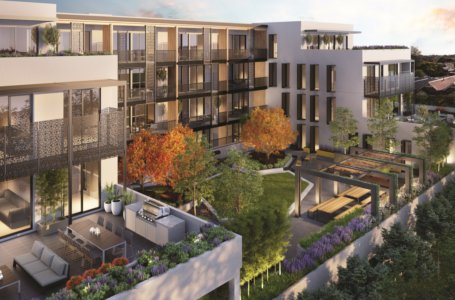
Once you give us the go-ahead, we will look into the expected rate of income, the opportunities that you could exploit from the project’s implementation all the way to the challenges that you are likely to come across. This step is quite useful especially when you are designing a home that you plan to sell in an open market where buyers will not hold back from looking at such factors.
We will then work with you to figure out which project you could undertake to help you make the most out of your property while minimising the risks faced in implementation. As we said, you could always skip this step and move to the planning stage, but we advise that you give it some thought.
It is not uncommon to come across an architect whose planning applications have not gone through, and we know how disheartening it can be for a client. We have heard enough stories to help us understand what to avoid when the time comes. Not only do we have extensive knowledge of the due processes involved but we have also cultivated healthy working relationships with the concerned councils to ensure that our applications go through without much fuss. We also pay attention to our drawings and the papers that we submit to provide that everything is in order. And we keep reading stories on how people’s applications got turned down to ensure that we do not repeat their mistakes.
Once we have agreed on a given design, we will work to make sure that the drawings we submit are not only functional, but they are also cost-effective. Lack of unity between architectural design and structural design can be quite costly to you as the client as you could end up spending a ton of money on building-related costs. For us, it’s not only about the beauty of the space created. We also work to save you money which you can use on other projects.
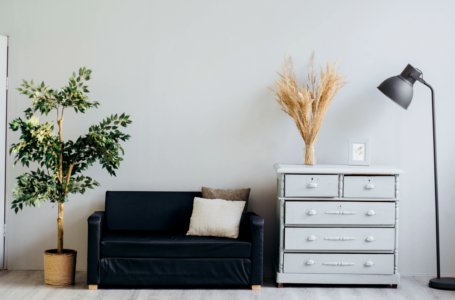
Gone are the days when people relied on pen and paper when designing the interior spaces. While this method worked the majority of the time, it also had some fallbacks which eventually got in the way of effective communication. We use technology so that you can get an idea of what space will look like when complete and you can always change what you do not like. This back-and-forth ensures that you get what you envisioned at the end of the day.
The right wedding venue can set the stage for the entire event. A stunning location can set the tone for the day and impacts every other decision from the menu to the dress. Pick the right building and your wedding theme builds itself. Following places are also a great choice for a wedding anniversary. As a guest, you should be familiar with the wedding anniversaries by year, and this list will help you to choose the perfect gift. Here are some stunning places suitable for a wedding venue or a wedding anniversary
At the Facility, you have a partner in your quest for a beautiful yet functional living space. We look forward to working with you!